
Press release

BUILDERS
A Horizon Europe Innovation Action designing, testing and validating harmonised EPR schemes for the European construction sector.

Duration
36 months
Partners
16 partners involved
Countries
8 partner countries
EU Contributions
€4,999,286
Total eligible cost: €5,304,902.94
The project
Construction is one of Europe’s most resource- and waste-intensive sectors.
Extended Producer Responsibility has reshaped packaging, electronics and batteries — but in construction it remains fragmented and limited in scope.
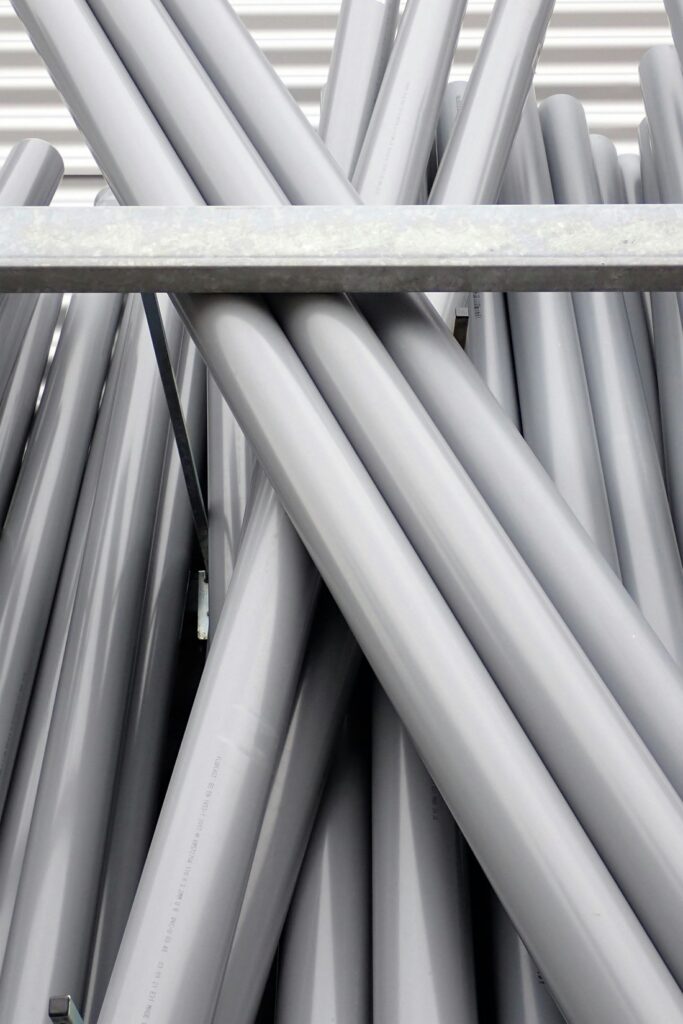
BUILDERS designs, tests and validates robust, harmonised and scalable EPR schemes for construction products, focusing on plastics: resilient flooring, pipes and resin-based sanitaryware.
Challenge & solution
Builders TIMELINE
A 36-month structured pathway from industrial baseline definition to real-world plant validation and European standards alignment
Baseline Analysis & Requirements
Capturing lessons from existing EPR schemes in France and Netherlands and conducting Material Flow Analysis (MFA).
Technological & Operational Development
Designing eco-modulated fee structures, GS1 Digital Product Passports (DPPs), and 4R eco-design rules.
Real-World Demonstration & Validation
Operational testing across regional hubs and product streams under real operating conditions.
Assessment & EU Policy shaping
Life Cycle Assessment (LCA), Life Cycle Costing (LCC), and delivering policy briefs to EU regulators.
Three pillars
Developing eco-modulated fee structures grounded in product-level sustainability.
Analyzing country-level implementation scenarios and capturing key lessons from existing EU schemes.
Implementing GS1 open standards, smart QR codes, and linear/lot-based marking.
Linking products to Digital Product Passports to guarantee material identity, carbon footprint data, and performance history over decades-long lifespans.
Testing 4R protocols (Reduce, Reuse, Repair, Recycle) under real operating conditions in regional recycling and reuse hubs.
Product families
BUILDERS tests eco-modulated fees, digital product passports and circular business models in large-scale demonstrators in France, Belgium, Germany and the Netherlands.

Recycling and reuse hubs, with lot-based digital marking.
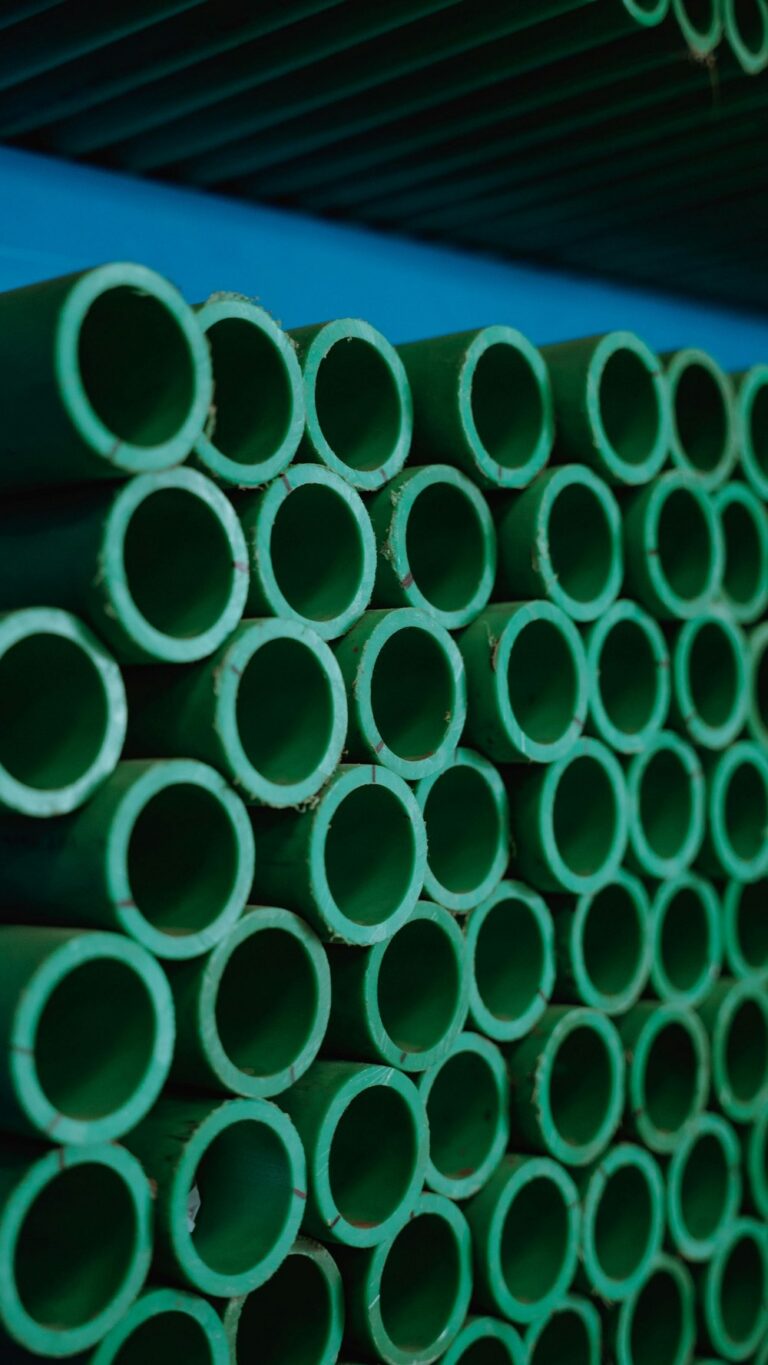
Recycling of post-consumer pipes, with linear marking that survives cutting.
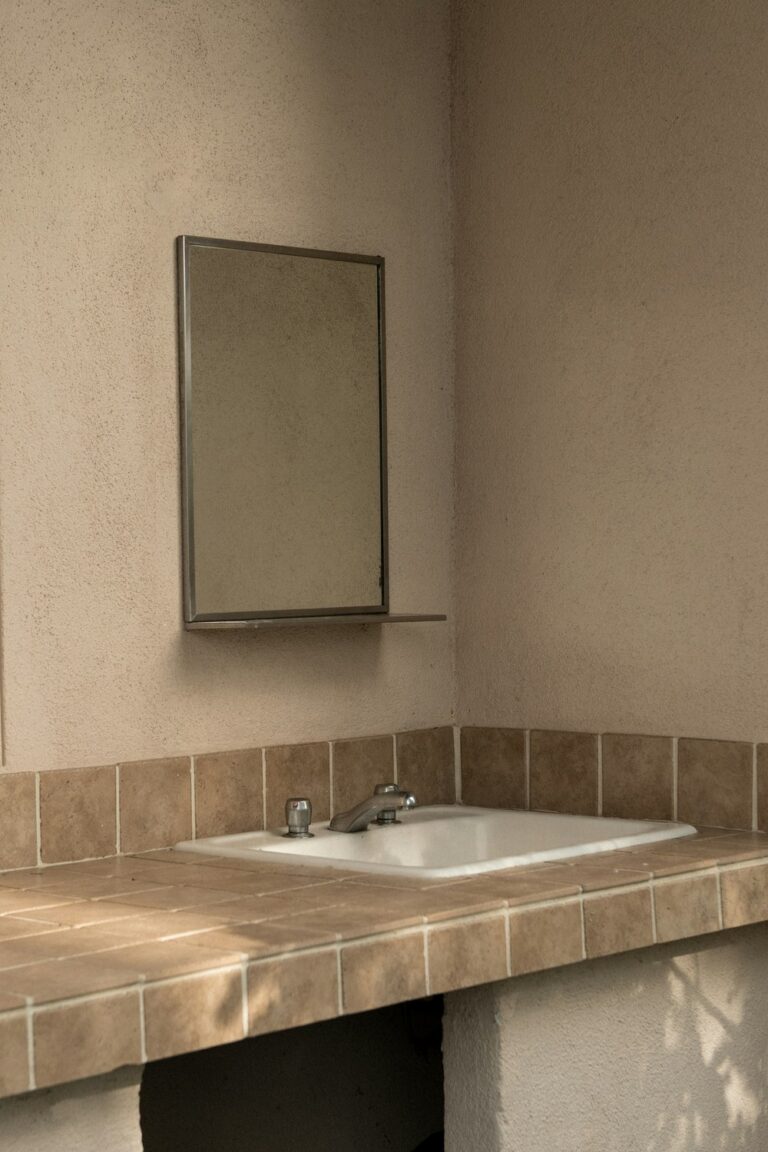
Repair and reuse protocols, with serialised marking.